Deforestation remains a critical environmental issue in Romania, with significant implications for biodiversity, climate change, and local communities. As the country continues to grapple with the consequences of forest loss, various stakeholders are exploring practical and sustainable solutions to protect these vital ecosystems.
The Current State of Deforestation in Romania
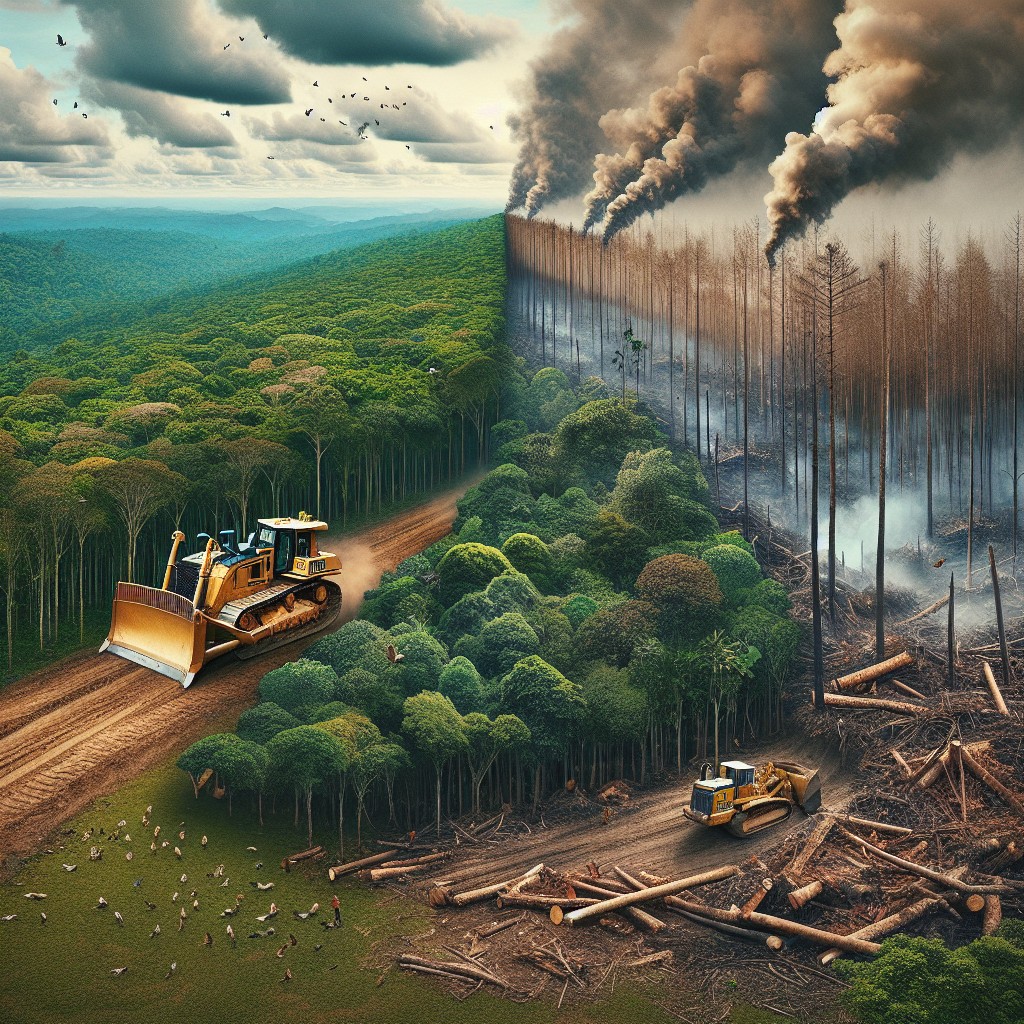
Romania is home to approximately 6.6 million hectares of forest, covering nearly 28% of its total land area. However, illegal logging, agricultural expansion, and urban development have contributed to alarming deforestation rates. According to recent estimates, Romania has lost around 400,000 hectares of forest over the past decade. Forests play a crucial role in carbon sequestration and biodiversity preservation, making their protection a priority in the fight against climate change.
Community Engagement in Forest Conservation
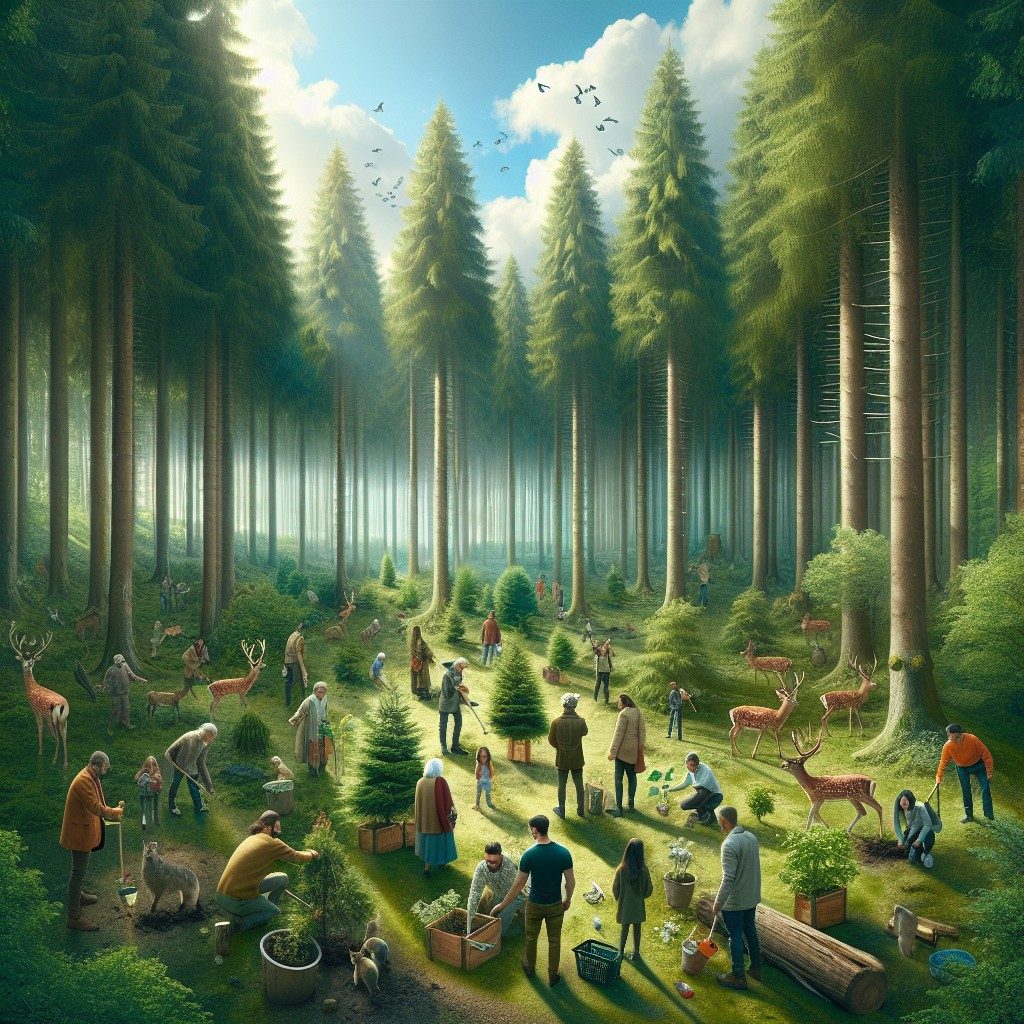
Local communities are increasingly recognized as essential players in forest conservation. Initiatives that encourage community involvement in forest management are gaining traction. For example, participatory forest governance models enable local people to take an active role in decision-making processes regarding forest resources. In this context, communities are more likely to adopt sustainable practices if they feel a sense of ownership and responsibility for their local forests.
Educational Campaigns for Sustainable Practices
Education is a powerful tool in combating deforestation. Schools and local organizations are launching campaigns to raise awareness about the importance of forests and the threats they face. By teaching children and adults about sustainable land use and the value of biodiversity, communities can foster a culture of conservation. Workshops and seminars led by environmental experts can provide vital information about eco-friendly practices and the long-term benefits of maintaining healthy forest ecosystems.
Promotion of Alternative Livelihoods
To reduce the dependence on wood-based industries, communities can promote alternative livelihoods that do not contribute to deforestation. For instance, agroforestry combines agriculture and forestry, providing farmers with diverse sources of income without clearing more land. Sustainable tourism is another avenue through which communities can benefit economically while preserving their natural resources. By creating eco-tours and showcasing local wildlife, communities can attract visitors who are interested in experiencing Romania’s natural beauty responsibly.
Government Policies and Support
Effective governmental policies play a crucial role in addressing deforestation. The Romanian government has introduced various regulations aimed at protecting forests, including stricter penalties for illegal logging. However, enforcement remains a challenge. Advocacy for stronger policies, better enforcement, and collaboration with local communities can lead to improved forest management. By supporting initiatives that empower communities to protect their forests, the government can contribute significantly to reducing deforestation. Additionally, collaborations with international organizations provide necessary resources and expertise.
Conclusion: Towards a Sustainable Future
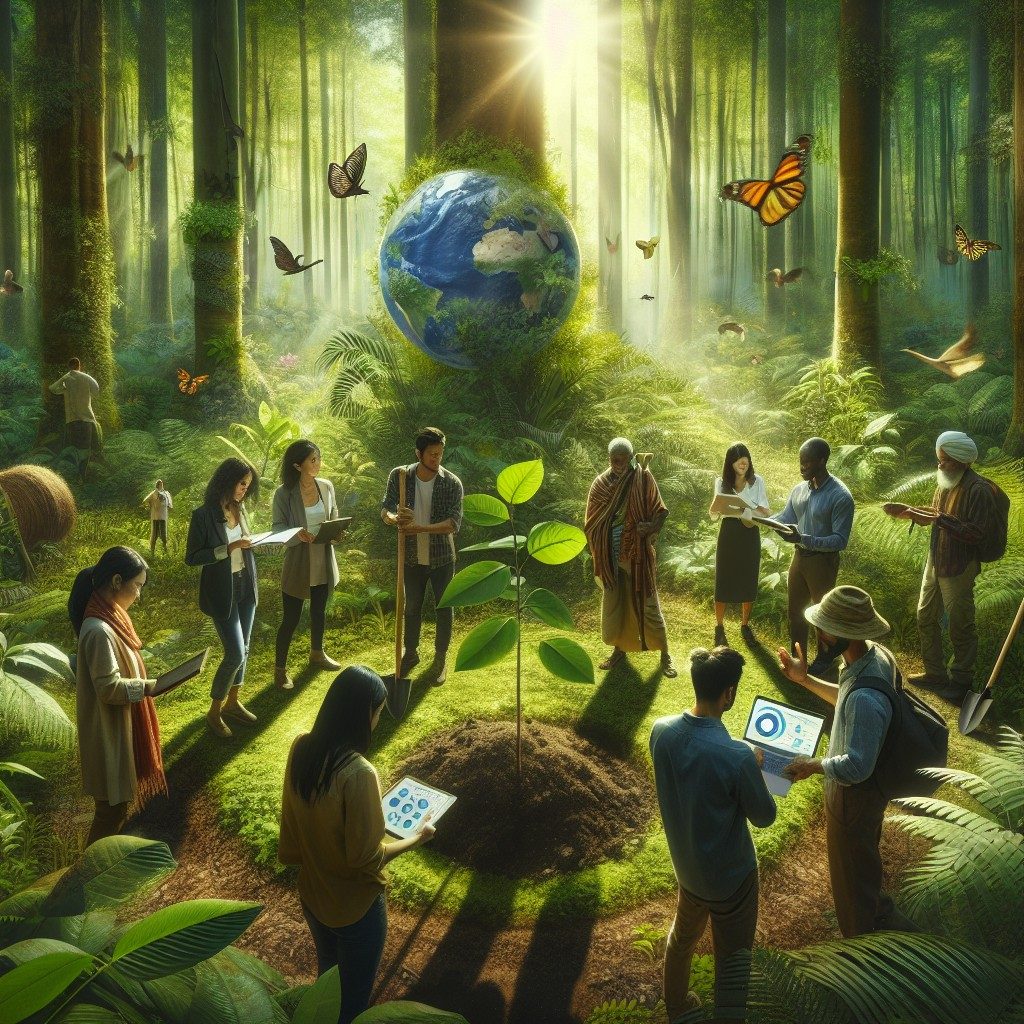
The challenges of deforestation in Romania demand a multi-faceted approach that integrates community efforts, education, and effective policy-making. Local communities have the potential to lead forest conservation initiatives, ensuring that future generations can enjoy the benefits of healthy forests. By addressing the socio-economic factors driving deforestation, Romania can work towards a sustainable future. Continued collaboration between communities, government, and NGOs will be essential in creating practical solutions that protect these invaluable ecosystems. Efforts to combat deforestation must be ongoing and adaptive to be effective in the long term.
Frequently Asked Questions about deforestation
What is the primary cause of deforestation in Romania?
The primary cause of deforestation in Romania includes illegal logging, agricultural expansion, and urban development. These activities lead to significant loss of forest cover.
How does deforestation impact biodiversity in Romania?
Deforestation negatively impacts biodiversity in Romania by destroying habitats for various species, leading to a decline in wildlife populations. This loss of biodiversity can disrupt ecosystems and reduce resilience to environmental changes.
What practical steps can communities take to combat deforestation?
Communities can combat deforestation by engaging in sustainable forest management, promoting educational initiatives, and developing alternative livelihoods that do not rely on forest exploitation.
How can educational campaigns help reduce deforestation?
Educational campaigns can raise awareness about the importance of forests, teaching communities about sustainable practices and the long-term benefits of conservation, ultimately leading to greater involvement in protecting local forests.
What role does the government play in addressing deforestation in Romania?
The government plays a crucial role by implementing regulations, enforcing laws against illegal logging, and supporting community initiatives aimed at sustainable forest management. Collaboration with various stakeholders is essential to effectively tackle deforestation.