Urban areas around the world are increasingly facing the challenges of rising temperatures and heat stress due to climate change and rapid urbanization. Strategies that provide effective urban cooling without requiring extensive reconstruction have become a priority in urban planning and design. These approaches aim to enhance outdoor comfort, minimize heat-related health risks, and improve overall quality of life in dense city environments.
Understanding the Urban Heat Island Effect
The urban heat island (UHI) effect refers to the phenomenon where urban areas experience significantly higher temperatures than their rural surroundings. This occurs due to human activities, dense built environments, limited vegetation, and heat-absorbing materials like asphalt and concrete. The UHI effect exacerbates heat stress during heatwaves, increasing the risk of heat-related illnesses and straining energy consumption for cooling. Addressing this issue through urban cooling design is vital for sustainable city development.
Innovative Urban Cooling Solutions Without Extensive Reconstruction
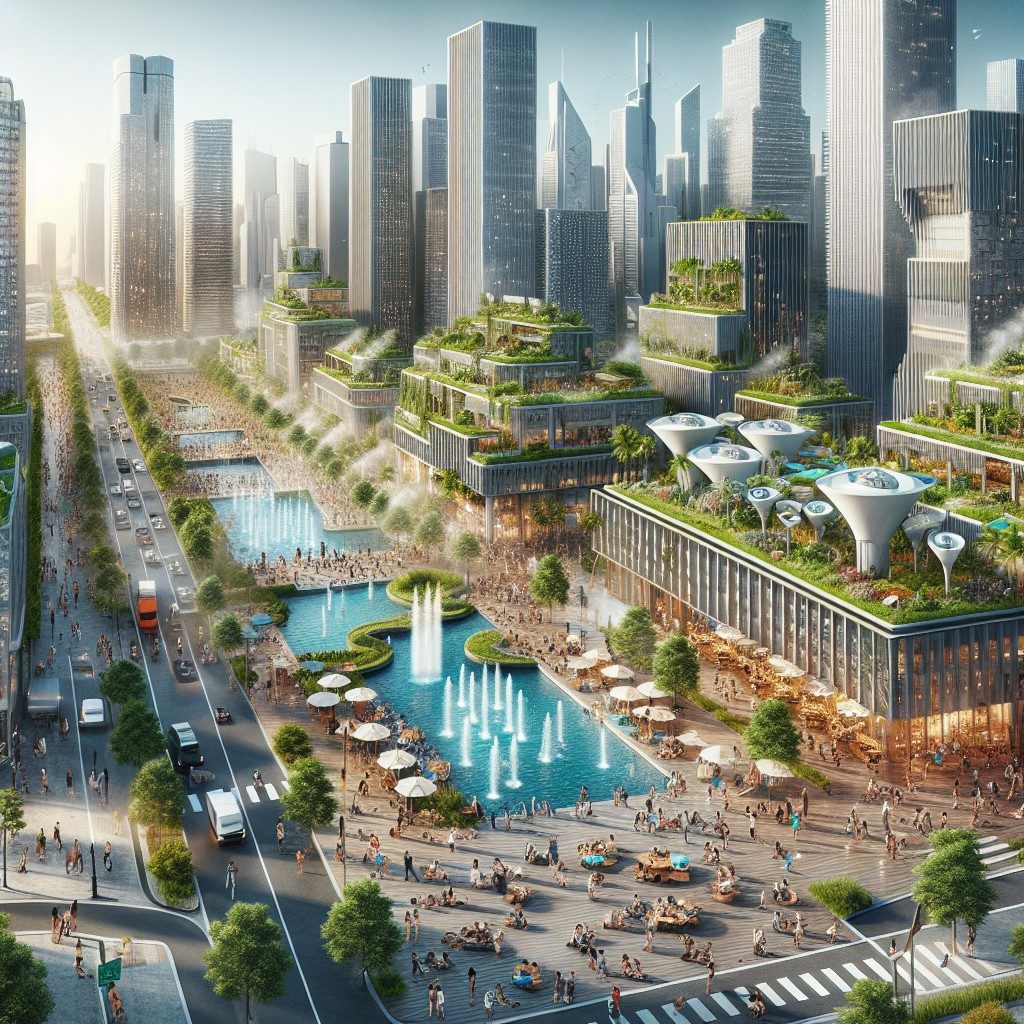
One of the key challenges in implementing urban cooling is finding solutions that do not demand large-scale rebuilding or costly infrastructure changes. Cities are adopting measures such as increasing tree canopy coverage, installing reflective and permeable pavements, and introducing green roofs on existing buildings. These interventions help reduce surface and air temperatures by enhancing shade, evapotranspiration, and solar reflectivity. They can be integrated into urban spaces with minimal disruption and relatively low costs.
The Role of Vegetation in Cooling Urban Spaces
Vegetation plays a crucial role in urban cooling. Trees and plants provide shade that blocks direct sunlight and release moisture into the air through evapotranspiration, contributing to lower surrounding temperatures. Urban planners focus on planting native and drought-tolerant species that require less maintenance and survive harsh urban conditions. Pocket parks, vertical gardens, and green corridors are examples of vegetation-based interventions that can be implemented in existing neighborhoods to combat heat stress effectively.
Cool Pavements and Materials for Heat Reduction
The choice of surface materials significantly influences urban temperatures. Cool pavements, which use light-colored or reflective materials, reduce heat absorption compared to traditional asphalt. Permeable pavements also aid in cooling by allowing water infiltration, which promotes evaporation and reduces surface temperature. Such materials can be used in sidewalks, parking lots, and streets without major structural changes, making them practical solutions for urban cooling initiatives.
Emerging Technologies in Urban Cooling
Technological innovations contribute to enhancing urban cooling strategies. Smart irrigation systems optimize water use for vegetation, while sensor-driven monitoring provides data on microclimate conditions to inform decision-making. Some cities are experimenting with misting systems and water features strategically placed in public spaces to cool the air temporarily during peak heat periods. These technologies complement nature-based solutions and ensure adaptive management of urban heat stress.
Looking Ahead: The Future of Urban Cooling
As climate change intensifies, demand for effective urban cooling solutions will grow. Integrating affordable, scalable, and adaptable methods into existing urban fabrics allows cities to respond swiftly to heat stress without the delays and expenses associated with large-scale reconstruction. Collaboration among policymakers, urban designers, scientists, and communities is essential to optimize these approaches. Increasing awareness and investment in urban cooling can significantly improve urban resilience, public health, and environmental quality over time, fostering more livable cities worldwide.
Urban cooling efforts are critical to mitigating the impact of global warming on city populations, and their success largely depends on practical interventions that work within current urban frameworks. As research advances and best practices disseminate, the potential to reduce heat stress effectively without big rebuilds becomes increasingly attainable.
Moreover, urban cooling initiatives aligned with public health objectives can help lower the incidence of heat-related illnesses, especially among vulnerable groups such as the elderly and children. Ultimately, urban cooling is a key component of sustainable urban development in the 21st century.
Frequently Asked Questions about urban cooling
What is urban cooling and why is it important?
Urban cooling refers to strategies and designs aimed at reducing temperatures in city areas to counteract heat stress caused by the urban heat island effect. It is important because it improves outdoor comfort, reduces heat-related health risks, and lowers energy demand for cooling.
How can urban cooling be implemented without large rebuilding projects?
Urban cooling can be achieved through measures like increasing vegetation cover, using reflective or permeable pavements, installing green roofs, and employing smart irrigation technologies, all of which can be integrated into existing urban environments with minimal reconstruction.
What role does vegetation play in urban cooling?
Vegetation contributes to urban cooling by providing shade and releasing moisture through evapotranspiration, which helps lower air and surface temperatures. Trees and plants improve air quality and enhance the livability of urban spaces.
Are cool pavements an effective urban cooling method?
Yes, cool pavements use materials that reflect more sunlight and absorb less heat compared to traditional surfaces, effectively reducing temperatures and mitigating the urban heat island effect without requiring major infrastructure changes.
What are some technologies supporting urban cooling strategies?
Emerging technologies like smart irrigation, climate monitoring sensors, and localized misting systems help optimize natural cooling processes, manage water resources efficiently, and provide adaptable solutions to reduce heat stress in urban areas.