Romania’s food service industry is undergoing significant transformation through the adoption of advanced technologies. Restaurant automation is becoming an increasingly pivotal aspect for restaurateurs aiming to enhance efficiency, reduce operational costs, and meet evolving consumer expectations. This shift is not only shaping dining experiences across the country but is also positioning Romania as a growing player in the tech-driven food service landscape.
Emergence of automation technologies in Romanian restaurants
Over the past few years, Romanian eateries have started integrating various automation solutions such as self-service kiosks, digital ordering systems, and robotic kitchen equipment. These technologies facilitate streamlined order processing and faster service times. For example, popular urban centers like Bucharest and Cluj-Napoca have seen a rise in establishments utilizing automated point-of-sale systems and mobile apps that enable contactless ordering and payments. Such implementations reduce human error and improve overall customer satisfaction.
Impact of automation on operational efficiency
By employing restaurant automation, Romanian food service providers achieve better resource management and labor optimization. Automated inventory tracking aids in minimizing food waste by alerting managers to stock levels in real time, while digital scheduling tools help allocate staff more effectively during peak hours. This reduces unnecessary labor costs and ensures smoother kitchen workflows. Additionally, automation supports consistency in food preparation, which is critical for maintaining quality standards.
Changing consumer behavior and expectations
Consumers in Romania are increasingly embracing technology-enhanced dining experiences. The convenience of ordering through smartphones or kiosks aligns with the growing preference for contactless transactions, especially following the COVID-19 pandemic. Restaurants responding to this trend by adopting automation tools are better positioned to attract tech-savvy customers who value speed and convenience. Moreover, digital loyalty programs and personalized recommendations powered by automation technology further enhance customer engagement.
Challenges and considerations in adopting automation
While the benefits of restaurant automation are considerable, Romanian restaurateurs face challenges when integrating new technologies. Initial investment costs remain a barrier for small and medium-sized businesses, particularly those operating in areas with limited digital infrastructure. Staff training is also critical to ensure effective use of automated systems and to maintain service quality. Furthermore, balancing automation with the human touch in hospitality remains a delicate issue as some customers still prefer traditional interactions.
Future outlook for restaurant automation in Romania
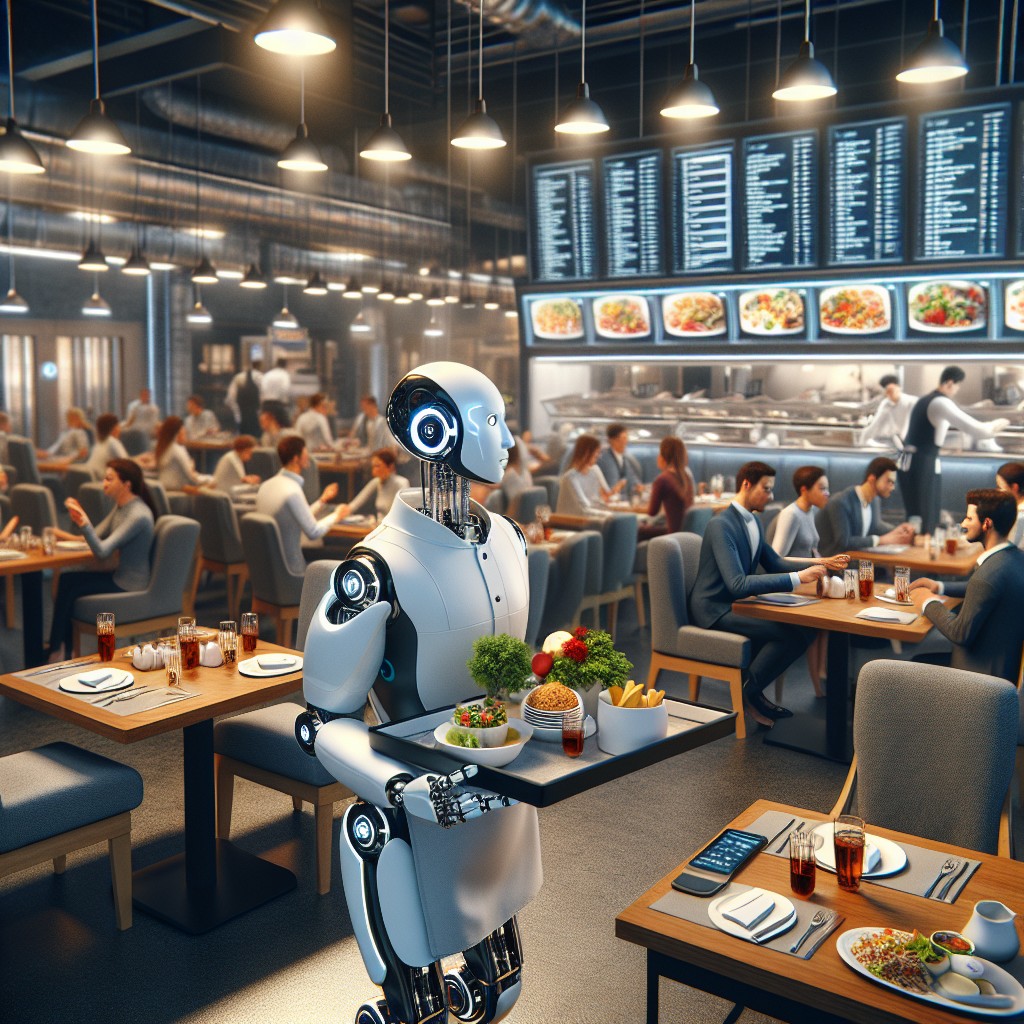
The trajectory of restaurant automation in Romania suggests continued growth as technology becomes more affordable and accessible. Industry analysts anticipate wider adoption of AI-driven analytics to optimize menus and supply chains, as well as increased use of robotics for food preparation and delivery. The ongoing digital transformation is likely to foster new competitive advantages for early adopters, reshaping Romania’s dining landscape by offering faster, more personalized, and efficient services.
Frequently Asked Questions about restaurant automation
What is restaurant automation and how is it used in Romania?
Restaurant automation refers to the use of technology to perform tasks that traditionally require human labor in food service operations. In Romania, this includes digital ordering platforms, self-service kiosks, and robotic kitchen equipment to enhance speed and efficiency.
How does restaurant automation improve efficiency in Romanian food businesses?
Automation streamlines processes like order taking, inventory management, and staff scheduling. This helps Romanian restaurants reduce wait times, minimize waste, and optimize labor, resulting in improved overall operational efficiency.
Are there specific challenges for Romanian restaurants adopting automation?
Yes. Challenges include high upfront costs, the need for employee training, and the necessity to maintain customer service quality. Some regions in Romania also face infrastructure limitations that can affect technology deployment.
What impact does restaurant automation have on the dining experience in Romania?
It offers more convenience through faster service, contactless ordering, and personalized experiences. However, some customers still prefer traditional service, so restaurants balance automation with human interaction.
Is restaurant automation expected to grow in Romania’s food service industry?
Yes, the trend indicates growing adoption as technology becomes more accessible and restaurants seek to meet evolving customer expectations while enhancing operational performance.