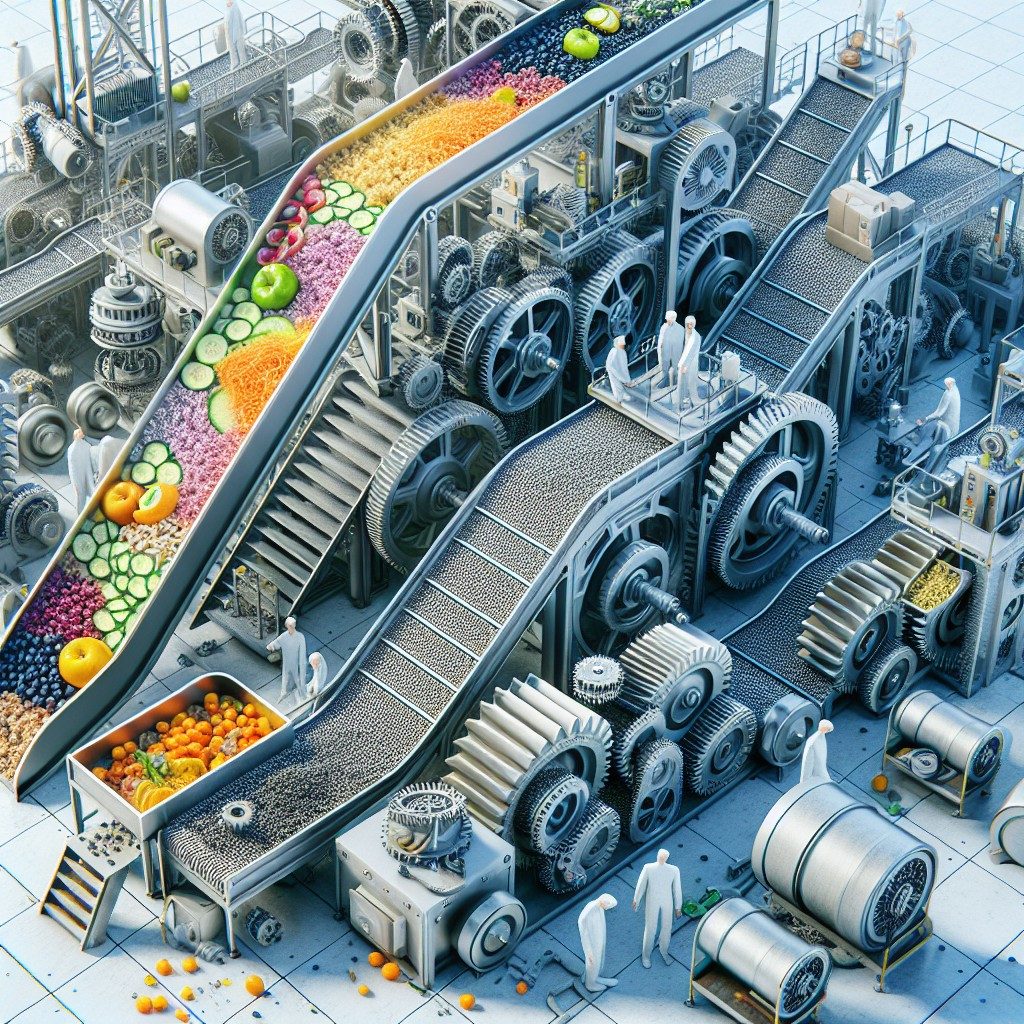
As global concerns about sustainability and resource management grow, technologies addressing food waste are becoming pivotal in optimizing supply chains across the food industry. Efficient solutions are enabling businesses to reduce losses while keeping operations cost-effective, ultimately benefiting consumers and the environment.
Emergence of Advanced Monitoring Systems
Recent innovations in food supply chains are powered by advanced sensor and monitoring systems that track the condition of perishables in real time. These technologies offer precise data on temperature, humidity, and storage conditions, enabling timely interventions to prevent spoilage. By reducing food waste before it occurs, companies optimize inventory management and avoid unnecessary disposal costs.
Integration of Artificial Intelligence
Artificial intelligence (AI) plays an increasingly significant role in minimizing food waste by forecasting demand more accurately and optimizing supply levels. AI algorithms analyze historical sales data, consumer trends, and external factors such as weather, enabling suppliers and retailers to adjust purchasing and distribution dynamically. This precision reduces overstock situations, a major contributor to food waste in the retail sector.
Blockchain for Transparency and Traceability
Blockchain technology is being adopted to improve transparency across the food supply chain, tracking products from farm to table. Enhanced traceability helps identify bottlenecks and areas of loss promptly, allowing stakeholders to address inefficiencies that lead to food waste. Furthermore, blockchain assures consumers about product freshness and safety, encouraging trust and reducing discards caused by uncertainty.
Innovative Packaging Solutions
Advancements in packaging materials and designs contribute significantly to prolonging shelf life and reducing food waste. Modified atmosphere packaging (MAP), biodegradable films, and smart packaging with embedded sensors alert to spoilage conditions, all ensuring that food products remain consumable for longer periods. This innovation reduces the frequency of premature disposal at retail and consumer levels.
Impact on Affordability and Supply Chain Efficiency
By incorporating food waste reduction technologies, supply chains experience enhanced efficiency with lower operational costs related to storage, transportation, and disposal. These savings can translate into more competitive pricing for consumers while fostering sustainable practices. Additionally, governments and international bodies increasingly support such technologies, amplifying their adoption and impact.
Conclusion
Technological advancements addressing food waste are reshaping food supply chains worldwide, making them more efficient and affordable. The integration of real-time monitoring, AI, blockchain, and innovative packaging demonstrates a shift toward data-driven and sustainable practices. As these technologies continue to evolve and scale, they are poised to play a crucial role in meeting global food demand responsibly while reducing environmental impact.
Frequently Asked Questions about food waste
What technologies help reduce food waste in supply chains?
Technologies such as real-time sensors, artificial intelligence for demand forecasting, blockchain for traceability, and advanced packaging materials play significant roles in reducing food waste within supply chains.
How does food waste impact supply chain costs?
Food waste increases costs related to disposal, storage, and transportation inefficiencies. Reducing food waste helps supply chains operate more economically, lowering these expenses.
Can better packaging reduce food waste effectively?
Yes, improved packaging solutions like modified atmosphere packaging and smart packaging that monitors freshness extend the shelf life of products, thereby effectively decreasing food waste.
How does AI improve food waste management?
AI improves food waste management by analyzing data to accurately forecast demand, helping suppliers and retailers avoid overstocking that leads to excess waste.
Why is reducing food waste important for sustainability?
Reducing food waste conserves resources used in food production, decreases greenhouse gas emissions from decomposing organic waste, and promotes responsible consumption, all essential for sustainability.